



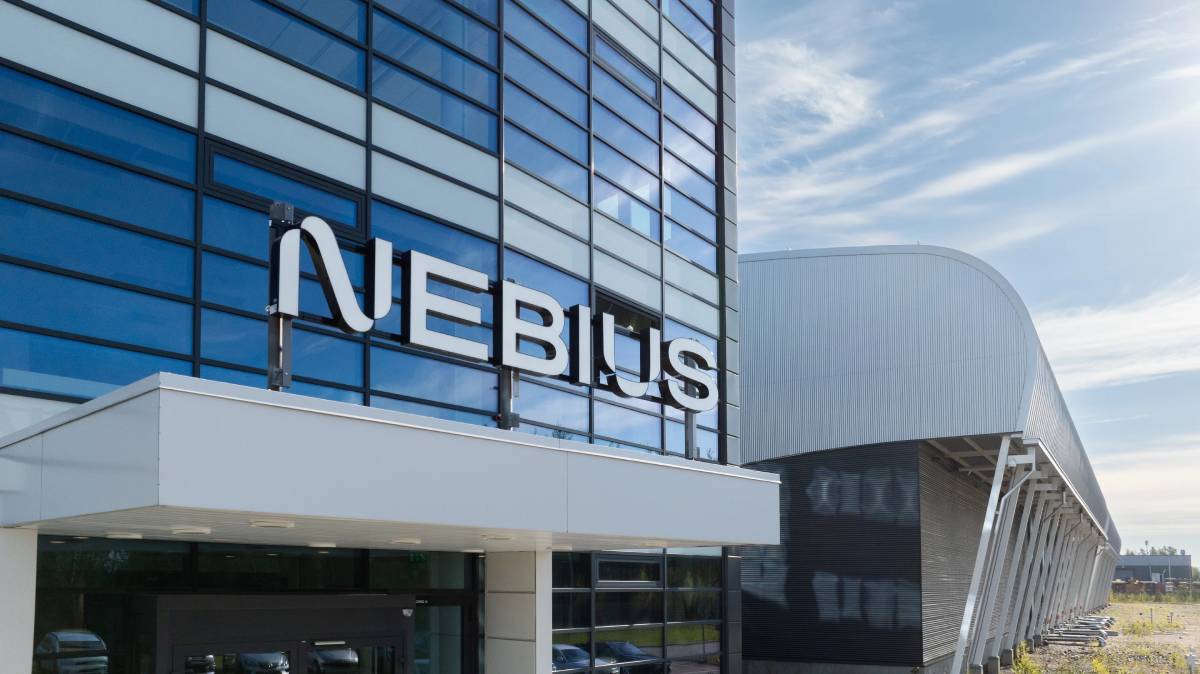
A major development unfolded in the AI infrastructure market as Nebius secured approximately $46 billion in AI cloud deals, highlighting surging demand for scalable AI platforms. The milestone signals intensifying competition in global cloud markets, with significant implications for investors, enterprises, and policymakers shaping the digital economy.
Nebius has reportedly secured $46 billion in AI cloud-related contracts, positioning itself as a rapidly emerging player in the competitive cloud infrastructure space. The deals reflect strong demand for high-performance computing resources required to power AI frameworks and applications.
Key stakeholders include enterprise customers, AI developers, cloud service providers, and institutional investors. The scale of the contracts underscores the growing importance of AI-specific infrastructure, particularly as organizations scale deployment of generative AI and machine learning systems. The development also raises questions about valuation potential, with analysts speculating on significant upside if growth momentum is sustained.
The global cloud computing market is undergoing a structural transformation driven by the rapid expansion of AI workloads. Traditional cloud services are being augmented by specialized AI platforms that require advanced hardware, optimized software stacks, and scalable infrastructure.
This development aligns with a broader trend across global markets where demand for AI compute is outpacing supply, prompting significant investment in data centers and cloud ecosystems. Companies such as Amazon Web Services and Microsoft Azure have already established strong positions, but new entrants are seeking to capture market share by focusing on AI-specific capabilities.
Historically, cloud computing growth has been driven by enterprise digital transformation. The current phase, however, is defined by AI-driven demand, which is accelerating infrastructure expansion and reshaping competitive dynamics across the industry.
Market analysts suggest that the scale of contracts secured by Nebius reflects growing enterprise reliance on AI infrastructure. Experts note that companies capable of delivering high-performance, cost-efficient cloud solutions are well-positioned to benefit from sustained demand.
Industry observers highlight that AI cloud platforms are becoming critical enablers of innovation, supporting everything from generative AI applications to large-scale data analytics. Analysts also point out that securing long-term contracts can provide revenue visibility and strengthen market positioning.
However, experts caution that competition remains intense, with established cloud providers continuing to invest heavily in AI capabilities. They emphasize that execution, scalability, and cost management will be key factors in determining whether emerging players can translate early momentum into long-term success.
For businesses, the expansion of AI cloud infrastructure presents opportunities to access advanced computing resources and accelerate digital transformation initiatives. Companies may increasingly rely on specialized cloud providers to support AI-driven operations.
Investors are likely to view this development as a signal of strong growth potential in AI infrastructure markets, though they may also weigh risks associated with high capital expenditure and competitive pressures. The possibility of significant valuation growth could attract further investment into the sector.
From a policy perspective, governments may prioritize support for cloud and AI infrastructure development, recognizing its role in economic competitiveness. Regulatory considerations may also emerge around data sovereignty, security, and market concentration.
Looking ahead, the trajectory of Nebius will depend on its ability to execute on large-scale contracts and maintain competitive differentiation. Decision-makers should monitor infrastructure expansion, customer acquisition, and pricing strategies. The broader outlook suggests continued growth in AI cloud demand, but with increasing scrutiny on profitability and sustainability in a rapidly evolving market.
Source: The Motley Fool
Date: April 19, 2026


