
Student Backlash Challenges AI Industry Narratives

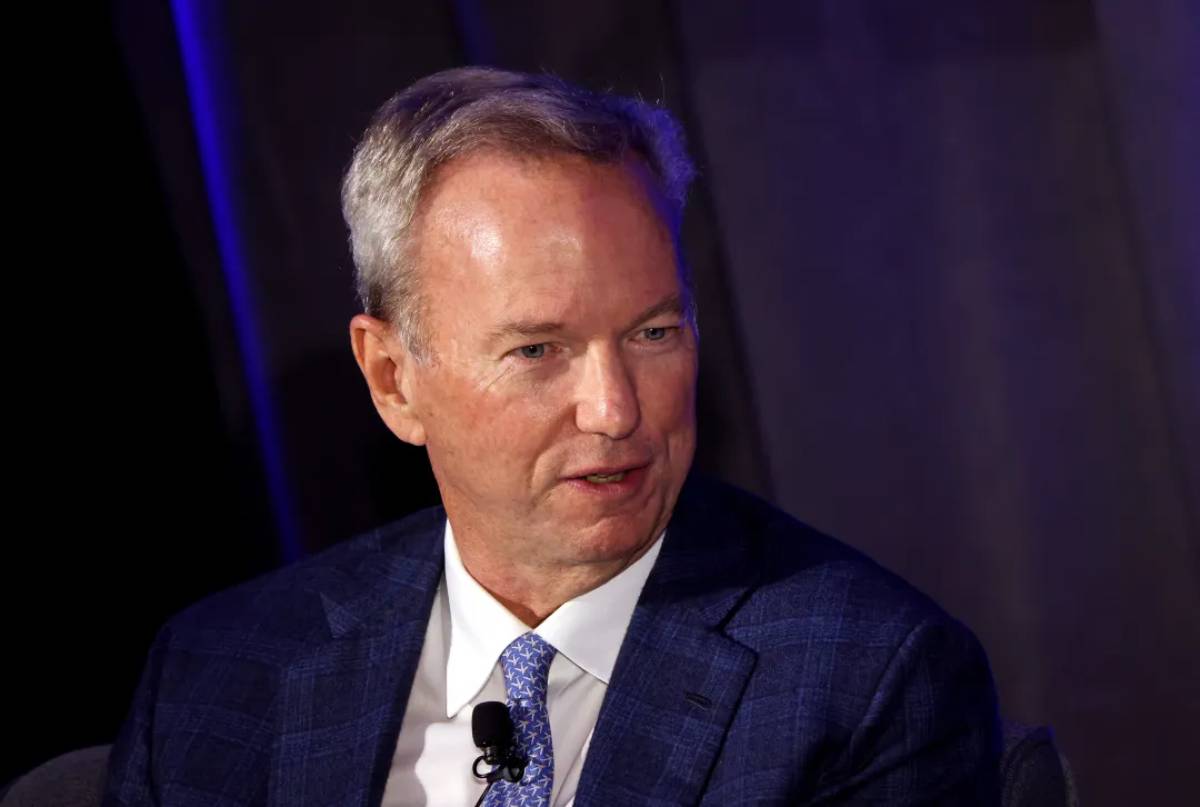
During a commencement address at the University of Arizona, Eric Schmidt reportedly faced audible boos from sections of the graduating audience while discussing artificial intelligence and its future benefits.

May 18, 2026
|
Image Source: The Verge

A visible backlash against artificial intelligence optimism unfolded at the University of Arizona commencement ceremony, where graduates reportedly booed former Google CEO Eric Schmidt during remarks promoting AI’s transformative potential. The incident reflects rising public skepticism surrounding the social, economic, and ethical implications of artificial intelligence, particularly among younger generations entering an uncertain labor market.

During a commencement address at the University of Arizona, Eric Schmidt reportedly faced audible boos from sections of the graduating audience while discussing artificial intelligence and its future benefits.

Schmidt, a prominent technology executive and AI advocate, emphasized AI’s potential to reshape industries, accelerate scientific discovery, and drive future economic growth. However, student reactions suggested growing unease around issues such as job displacement, automation risks, data privacy, and the concentration of power within major technology firms.

The episode has drawn wider attention because it illustrates a broader shift in public sentiment toward AI, particularly among younger demographics that are expected to experience the long-term effects of automation and algorithm-driven economic transformation. The event also highlights increasing tension between Silicon Valley narratives of

The development aligns with a broader global debate surrounding artificial intelligence adoption and the societal consequences of rapid technological change. While AI investment and deployment have accelerated across industries, public attitudes toward the technology are becoming increasingly divided.

Major technology firms continue to position AI as a driver of productivity, economic growth, and scientific advancement. Companies including Google, Microsoft, and OpenAI have invested billions into generative AI systems, cloud infrastructure, and automation platforms.

At the same time, concerns have intensified over AI’s impact on employment, misinformation, education, privacy, and market concentration. Universities, creative industries, and labor organizations have become increasingly vocal about how automation may reshape traditional career paths and economic security.

Historically, technological revolutions have often triggered public anxiety before broader adaptation occurs. However, AI’s rapid deployment cycle and its ability to affect white-collar professions distinguish it from earlier automation waves focused primarily on manufacturing and industrial labor.

The incident involving Schmidt also reflects growing distrust toward large technology companies following years of controversy surrounding social media governance, data privacy practices, and platform influence over public discourse.

Technology analysts suggest the student response reflects a widening perception gap between industry leaders and younger populations directly confronting the uncertainties of AI-driven labor disruption. Experts argue that public resistance to AI is no longer confined to fringe concerns but is entering mainstream civic and educational environments.

Labor economists note that graduates entering fields such as software development, media, marketing, and administration are increasingly aware that generative AI tools could alter traditional entry-level career pathways. This may explain why optimistic messaging about AI innovation is now receiving more critical public scrutiny.

Policy specialists also argue that technology executives face growing pressure to address ethical concerns more directly rather than focusing exclusively on innovation narratives. Analysts suggest that public trust in AI may increasingly depend on whether companies can demonstrate measurable safeguards around transparency, fairness, and workforce transition support.

At the same time, some industry observers caution against interpreting public skepticism as outright rejection of AI. Instead, experts believe audiences are demanding more balanced discussions that acknowledge both the opportunities and disruptions associated with rapid technological transformation.

For businesses, the backlash underscores the importance of public trust and social legitimacy in AI deployment strategies. Companies promoting AI technologies may need to strengthen communication around workforce adaptation, ethical governance, and long-term societal benefits to avoid reputational risks.

Investors are likely to monitor how public sentiment evolves as AI adoption expands across sectors. Persistent societal resistance or regulatory pressure could influence adoption rates, policy frameworks, and the pace of commercial deployment in sensitive industries.

For policymakers and educational institutions, the incident highlights the growing urgency of addressing workforce transition planning, digital literacy, and AI governance frameworks. Governments may face increasing demands for labor protections, retraining initiatives, and stronger oversight of large-scale automation systems.

Public debate around artificial intelligence is expected to intensify as AI systems become more deeply integrated into workplaces, education, and everyday life. Decision-makers will closely watch whether technology leaders can rebuild public confidence through greater transparency and responsible deployment practices. The future trajectory of AI adoption may depend as much on societal trust and governance as on technical capability itself.

Source: The Verge
Date: May 18, 2026

  • Featured tools
Surfer AI
Free

Surfer AI is an AI-powered content creation assistant built into the Surfer SEO platform, designed to generate SEO-optimized articles from prompts, leveraging data from search results to inform tone, structure, and relevance.

#
SEO
Learn more
Twistly AI
Paid

Twistly AI is a PowerPoint add-in that allows users to generate full slide decks, improve existing presentations, and convert various content types into polished slides directly within Microsoft PowerPoint.It streamlines presentation creation using AI-powered text analysis, image generation and content conversion.

#
Presentation
Learn more

Learn more about future of AI

Join 80,000+ Ai enthusiast getting weekly updates on exciting AI tools.
Thank you! Your submission has been received!
Oops! Something went wrong while submitting the form.

Student Backlash Challenges AI Industry Narratives

May 18, 2026

During a commencement address at the University of Arizona, Eric Schmidt reportedly faced audible boos from sections of the graduating audience while discussing artificial intelligence and its future benefits.

Image Source: The Verge

A visible backlash against artificial intelligence optimism unfolded at the University of Arizona commencement ceremony, where graduates reportedly booed former Google CEO Eric Schmidt during remarks promoting AI’s transformative potential. The incident reflects rising public skepticism surrounding the social, economic, and ethical implications of artificial intelligence, particularly among younger generations entering an uncertain labor market.

During a commencement address at the University of Arizona, Eric Schmidt reportedly faced audible boos from sections of the graduating audience while discussing artificial intelligence and its future benefits.

Schmidt, a prominent technology executive and AI advocate, emphasized AI’s potential to reshape industries, accelerate scientific discovery, and drive future economic growth. However, student reactions suggested growing unease around issues such as job displacement, automation risks, data privacy, and the concentration of power within major technology firms.

The episode has drawn wider attention because it illustrates a broader shift in public sentiment toward AI, particularly among younger demographics that are expected to experience the long-term effects of automation and algorithm-driven economic transformation. The event also highlights increasing tension between Silicon Valley narratives of

The development aligns with a broader global debate surrounding artificial intelligence adoption and the societal consequences of rapid technological change. While AI investment and deployment have accelerated across industries, public attitudes toward the technology are becoming increasingly divided.

Major technology firms continue to position AI as a driver of productivity, economic growth, and scientific advancement. Companies including Google, Microsoft, and OpenAI have invested billions into generative AI systems, cloud infrastructure, and automation platforms.

At the same time, concerns have intensified over AI’s impact on employment, misinformation, education, privacy, and market concentration. Universities, creative industries, and labor organizations have become increasingly vocal about how automation may reshape traditional career paths and economic security.

Historically, technological revolutions have often triggered public anxiety before broader adaptation occurs. However, AI’s rapid deployment cycle and its ability to affect white-collar professions distinguish it from earlier automation waves focused primarily on manufacturing and industrial labor.

The incident involving Schmidt also reflects growing distrust toward large technology companies following years of controversy surrounding social media governance, data privacy practices, and platform influence over public discourse.

Technology analysts suggest the student response reflects a widening perception gap between industry leaders and younger populations directly confronting the uncertainties of AI-driven labor disruption. Experts argue that public resistance to AI is no longer confined to fringe concerns but is entering mainstream civic and educational environments.

Labor economists note that graduates entering fields such as software development, media, marketing, and administration are increasingly aware that generative AI tools could alter traditional entry-level career pathways. This may explain why optimistic messaging about AI innovation is now receiving more critical public scrutiny.

Policy specialists also argue that technology executives face growing pressure to address ethical concerns more directly rather than focusing exclusively on innovation narratives. Analysts suggest that public trust in AI may increasingly depend on whether companies can demonstrate measurable safeguards around transparency, fairness, and workforce transition support.

At the same time, some industry observers caution against interpreting public skepticism as outright rejection of AI. Instead, experts believe audiences are demanding more balanced discussions that acknowledge both the opportunities and disruptions associated with rapid technological transformation.

For businesses, the backlash underscores the importance of public trust and social legitimacy in AI deployment strategies. Companies promoting AI technologies may need to strengthen communication around workforce adaptation, ethical governance, and long-term societal benefits to avoid reputational risks.

Investors are likely to monitor how public sentiment evolves as AI adoption expands across sectors. Persistent societal resistance or regulatory pressure could influence adoption rates, policy frameworks, and the pace of commercial deployment in sensitive industries.

For policymakers and educational institutions, the incident highlights the growing urgency of addressing workforce transition planning, digital literacy, and AI governance frameworks. Governments may face increasing demands for labor protections, retraining initiatives, and stronger oversight of large-scale automation systems.

Public debate around artificial intelligence is expected to intensify as AI systems become more deeply integrated into workplaces, education, and everyday life. Decision-makers will closely watch whether technology leaders can rebuild public confidence through greater transparency and responsible deployment practices. The future trajectory of AI adoption may depend as much on societal trust and governance as on technical capability itself.

Source: The Verge
Date: May 18, 2026

Promote Your Tool

Copy Embed Code

Similar Blogs

May 19, 2026
|

AI Detection Crisis Raises Reliability Concerns

Recent analysis highlights that widely used AI detection systems often produce inconsistent and unreliable results, with false positives affecting legitimate human-written content.
Read more
May 19, 2026
|

LG Pushes Limits With 1000Hz Monitor

LG’s upcoming UltraGear model is expected to be the first commercially announced monitor reaching a 1000Hz refresh rate at Full HD resolution.
Read more
May 19, 2026
|

Google Android Update AI First Ecosystem

The Android update integrates Google’s Gemini AI across system-level functions, enabling contextual assistance, predictive actions, and multimodal interaction within smartphones.
Read more
May 19, 2026
|

Apple Siri Strategy Leans Google Gemini AI

Reports suggest Apple is exploring deep integration of Google’s Gemini AI to power a more advanced version of Siri in upcoming iOS releases.
Read more
May 19, 2026
|

Samsung Galaxy S26 Ultra Privacy Display Shift

The review centers on Samsung’s Galaxy S26 Ultra, emphasizing its privacy display feature that limits screen visibility from side angles, enhancing data protection in public environments.
Read more
May 19, 2026
|

OpenAI Wins Legal Battle Clears IPO Path

The court decision reportedly sided with OpenAI in its ongoing legal confrontation with Elon Musk, resolving key disputes tied to the company’s structure and mission direction.
Read more