



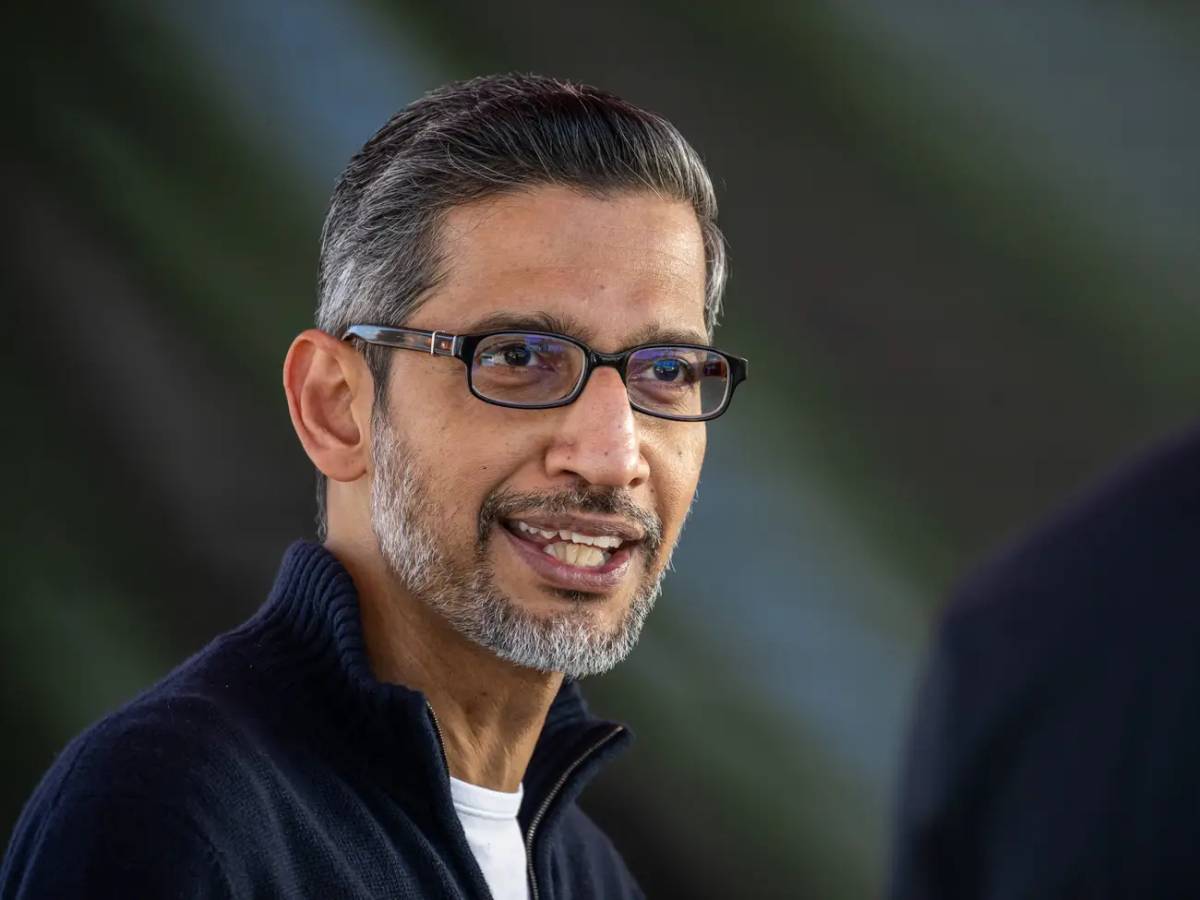
Sundar Pichai addressed rising public skepticism around artificial intelligence during a graduation speech, arguing that younger generations will both shape and inherit the consequences of AI adoption. The remarks come as global debate intensifies over automation, labor disruption, ethics, and the growing influence of AI across education, business, and governance.
Speaking amid visible audience reactions and criticism toward AI expansion, Sundar Pichai acknowledged growing unease surrounding the technology’s societal impact. He emphasized that students and future professionals will play a central role in defining how AI evolves and how responsibly it is deployed.
The comments arrive during a period of accelerating investment in generative AI by major technology firms, including Google, while public concerns over job displacement, misinformation, and digital dependency continue to rise.
Industry leaders, universities, and policymakers are increasingly confronting tensions between rapid innovation and calls for stronger accountability frameworks governing AI deployment.
The speech reflects a broader cultural divide emerging around artificial intelligence as adoption accelerates across industries. Technology companies are aggressively integrating generative AI into search engines, productivity software, education tools, and enterprise systems. At the same time, labor groups, educators, and students are questioning how automation may reshape employment opportunities and professional relevance.
Recent months have seen rising public criticism of AI’s role in replacing routine work, amplifying misinformation, and altering educational norms. Universities have become central battlegrounds in the debate, with institutions struggling to balance innovation against academic integrity and workforce preparedness.
The development also highlights growing pressure on technology executives to publicly defend AI strategies while addressing social concerns. Business leaders increasingly face expectations not only to innovate, but to demonstrate ethical governance, transparency, and long-term societal responsibility.
Technology analysts suggest Sundar Pichai is attempting to reposition the AI conversation from fear toward participation. Experts argue that industry leaders recognize public trust could become one of the defining competitive factors of the next technology cycle.
Some policy observers note that visible backlash from students and younger audiences signals deeper anxieties around economic inequality, career uncertainty, and institutional accountability. Others believe skepticism toward AI is a predictable response during periods of rapid technological transformation.
Industry executives have repeatedly emphasized that AI should augment rather than fully replace human expertise, though critics remain unconvinced about how quickly labor markets can adapt. Analysts also point out that public opinion could influence future regulation, especially in areas involving workplace automation, digital rights, and algorithmic transparency.
For corporations, the debate underscores the importance of balancing AI deployment with workforce transition strategies and public trust initiatives. Companies accelerating automation may face reputational risks if employees and consumers perceive technology adoption as socially disruptive.
Investors are increasingly evaluating whether firms can sustain AI growth without triggering regulatory backlash or labor instability. Educational institutions may also be pressured to redesign curricula around AI literacy, digital ethics, and human-machine collaboration.
Governments are likely to intensify scrutiny of AI governance frameworks, particularly regarding employment impact, data accountability, and algorithmic fairness. Analysts warn that companies failing to communicate responsible AI strategies could encounter both political resistance and consumer skepticism.
The clash between AI optimism and public skepticism is expected to deepen as generative systems become more integrated into everyday life and professional environments. Decision-makers will closely monitor how younger generations engage with AI tools, influence regulation, and shape workplace expectations. The next phase of AI adoption may depend less on technical capability and more on whether institutions can build lasting societal trust around its use.
Source: Business Insider
Date: May 21, 2026


