
TEPCO Accenture Forge AI Utility Alliance

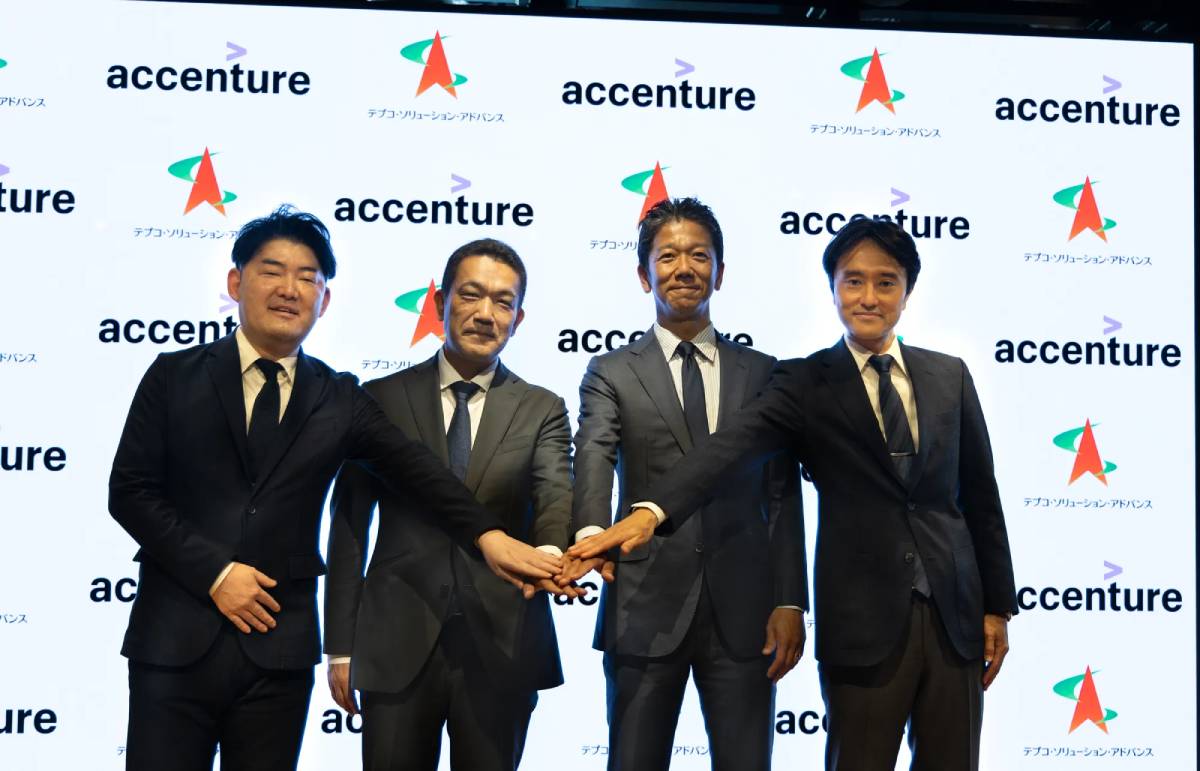
The agreement brings together TEPCO Solution Advance and Accenture to co-develop AI-driven operational systems aimed at enhancing productivity, decision-making, and asset management within utility operations.

June 4, 2026
|
Image Source: Newsroom Accenture

A major collaboration has emerged between TEPCO Solution Advance and Accenture to integrate artificial intelligence into utility operations. The partnership signals a strategic push to modernise energy infrastructure, improve operational efficiency, and accelerate digital transformation across Japan’s power sector, with wider implications for global utility modernization trends.

The agreement brings together TEPCO Solution Advance and Accenture to co-develop AI-driven operational systems aimed at enhancing productivity, decision-making, and asset management within utility operations. The collaboration focuses on deploying advanced analytics, automation, and digital platforms across core business functions.

Both organisations are expected to combine domain expertise in energy infrastructure with global consulting capabilities to streamline workflows and improve system resilience. The initiative reflects a broader industry shift toward AI-enabled utilities, where real-time data processing and predictive intelligence are becoming central to operational efficiency and grid reliability. The rollout is positioned as a phased transformation rather than a single deployment event.

The partnership comes at a time when global utilities are under increasing pressure to modernise aging infrastructure, reduce operational costs, and integrate renewable energy sources. In Japan, the energy sector has been undergoing structural transformation following deregulation efforts and rising demand for resilient, low-carbon power systems.

Tokyo Electric Power Company Holdings has been actively pursuing digital innovation to improve grid stability and operational transparency. Meanwhile, Accenture has expanded its footprint in AI-led enterprise transformation across energy, manufacturing, and public infrastructure sectors.

Across the global utility landscape, artificial intelligence is being adopted to optimise demand forecasting, reduce outage response times, and enhance asset lifecycle management. This collaboration reflects a wider trend where utilities are shifting from traditional engineering-heavy models toward data-centric, AI-enabled operational ecosystems.

Industry analysts suggest that the collaboration reflects a decisive step toward intelligent utility ecosystems, where AI acts as a core operational layer rather than a supplementary tool. Experts note that energy companies globally are prioritising predictive maintenance and automated decision-making to reduce downtime and improve reliability.

From a corporate standpoint, Accenture has consistently highlighted AI as a key driver of enterprise reinvention, particularly in asset-intensive industries like energy. TEPCO Solution Advance is expected to leverage such capabilities to enhance operational visibility and reduce inefficiencies across its network.

Energy consultants further argue that partnerships like this also serve as capability accelerators, allowing traditional utilities to rapidly access advanced digital expertise without building all systems in-house. While formal quotes from executives typically emphasise innovation and customer value, the broader consensus points to structural transformation rather than incremental improvement.

For global utilities, this development reinforces the competitive necessity of AI adoption in core operations. Companies that delay digital transformation risk higher operational costs and reduced grid efficiency compared to AI-enabled peers. Investors are likely to view such collaborations as long-term value enhancers, particularly in regulated infrastructure sectors.

For policymakers, the integration of AI in critical infrastructure raises questions around data governance, cybersecurity, and operational transparency. Governments may increasingly push for regulatory frameworks that balance innovation with system reliability and public safety.

For enterprise leaders, the shift signals a move toward AI-first operational strategies, where automation and predictive intelligence become foundational rather than experimental.

Going forward, the collaboration is expected to expand into deeper integration of AI across grid management, asset optimisation, and customer-facing services. Key areas to watch include deployment timelines, scalability across regions, and measurable efficiency gains. Uncertainties remain around data integration complexity and regulatory adaptation. However, the partnership sets a clear trajectory toward fully digitised utility operations, with AI positioned as a central operational driver.

Source: Newsroom Accenture
Date: June 4, 2026

  • Featured tools
Writesonic AI
Free

Writesonic AI is a versatile AI writing platform designed for marketers, entrepreneurs, and content creators. It helps users create blog posts, ad copies, product descriptions, social media posts, and more with ease. With advanced AI models and user-friendly tools, Writesonic streamlines content production and saves time for busy professionals.

#
Copywriting
Learn more
Surfer AI
Free

Surfer AI is an AI-powered content creation assistant built into the Surfer SEO platform, designed to generate SEO-optimized articles from prompts, leveraging data from search results to inform tone, structure, and relevance.

#
SEO
Learn more

Learn more about future of AI

Join 80,000+ Ai enthusiast getting weekly updates on exciting AI tools.
Thank you! Your submission has been received!
Oops! Something went wrong while submitting the form.

TEPCO Accenture Forge AI Utility Alliance

June 4, 2026

The agreement brings together TEPCO Solution Advance and Accenture to co-develop AI-driven operational systems aimed at enhancing productivity, decision-making, and asset management within utility operations.

Image Source: Newsroom Accenture

A major collaboration has emerged between TEPCO Solution Advance and Accenture to integrate artificial intelligence into utility operations. The partnership signals a strategic push to modernise energy infrastructure, improve operational efficiency, and accelerate digital transformation across Japan’s power sector, with wider implications for global utility modernization trends.

The agreement brings together TEPCO Solution Advance and Accenture to co-develop AI-driven operational systems aimed at enhancing productivity, decision-making, and asset management within utility operations. The collaboration focuses on deploying advanced analytics, automation, and digital platforms across core business functions.

Both organisations are expected to combine domain expertise in energy infrastructure with global consulting capabilities to streamline workflows and improve system resilience. The initiative reflects a broader industry shift toward AI-enabled utilities, where real-time data processing and predictive intelligence are becoming central to operational efficiency and grid reliability. The rollout is positioned as a phased transformation rather than a single deployment event.

The partnership comes at a time when global utilities are under increasing pressure to modernise aging infrastructure, reduce operational costs, and integrate renewable energy sources. In Japan, the energy sector has been undergoing structural transformation following deregulation efforts and rising demand for resilient, low-carbon power systems.

Tokyo Electric Power Company Holdings has been actively pursuing digital innovation to improve grid stability and operational transparency. Meanwhile, Accenture has expanded its footprint in AI-led enterprise transformation across energy, manufacturing, and public infrastructure sectors.

Across the global utility landscape, artificial intelligence is being adopted to optimise demand forecasting, reduce outage response times, and enhance asset lifecycle management. This collaboration reflects a wider trend where utilities are shifting from traditional engineering-heavy models toward data-centric, AI-enabled operational ecosystems.

Industry analysts suggest that the collaboration reflects a decisive step toward intelligent utility ecosystems, where AI acts as a core operational layer rather than a supplementary tool. Experts note that energy companies globally are prioritising predictive maintenance and automated decision-making to reduce downtime and improve reliability.

From a corporate standpoint, Accenture has consistently highlighted AI as a key driver of enterprise reinvention, particularly in asset-intensive industries like energy. TEPCO Solution Advance is expected to leverage such capabilities to enhance operational visibility and reduce inefficiencies across its network.

Energy consultants further argue that partnerships like this also serve as capability accelerators, allowing traditional utilities to rapidly access advanced digital expertise without building all systems in-house. While formal quotes from executives typically emphasise innovation and customer value, the broader consensus points to structural transformation rather than incremental improvement.

For global utilities, this development reinforces the competitive necessity of AI adoption in core operations. Companies that delay digital transformation risk higher operational costs and reduced grid efficiency compared to AI-enabled peers. Investors are likely to view such collaborations as long-term value enhancers, particularly in regulated infrastructure sectors.

For policymakers, the integration of AI in critical infrastructure raises questions around data governance, cybersecurity, and operational transparency. Governments may increasingly push for regulatory frameworks that balance innovation with system reliability and public safety.

For enterprise leaders, the shift signals a move toward AI-first operational strategies, where automation and predictive intelligence become foundational rather than experimental.

Going forward, the collaboration is expected to expand into deeper integration of AI across grid management, asset optimisation, and customer-facing services. Key areas to watch include deployment timelines, scalability across regions, and measurable efficiency gains. Uncertainties remain around data integration complexity and regulatory adaptation. However, the partnership sets a clear trajectory toward fully digitised utility operations, with AI positioned as a central operational driver.

Source: Newsroom Accenture
Date: June 4, 2026

Promote Your Tool

Copy Embed Code

Similar Blogs

June 4, 2026
|

Amazon Ring Faces Facial Recognition Scrutiny

Amazon’s Ring division is facing allegations that its facial recognition and AI-based monitoring features may violate privacy laws.
Read more
June 4, 2026
|

Microsoft Ends Office 2019 Mac Support

Microsoft has confirmed that Office 2019 for Mac will no longer receive a necessary update, limiting user functionality to read-only mode for certain file operations.
Read more
June 4, 2026
|

Apple iPhone Fold Enters Foldable Race

The anticipated iPhone Fold is expected to represent Apple’s first entry into the foldable smartphone category, a segment currently dominated by competing Android manufacturers.
Read more
June 4, 2026
|

Polaroid Launches Go Gen 3 Camera

The new Polaroid Go Generation 3 camera introduces incremental upgrades to the company’s compact instant camera lineup, focusing on portability, ease of use, and enhanced image output.
Read more
June 4, 2026
|

Supernatural VR Fitness Returns Independent Platform

Supernatural, a leading VR fitness application, is re-emerging as a standalone platform outside of major corporate ownership.
Read more
June 4, 2026
|

AI Progress Reveals Limits Transformation Promise

Recent analysis around AI development points to a widening gap between expectations and measurable economic outcomes. While models continue to improve in reasoning, generation, and automation tasks.
Read more