



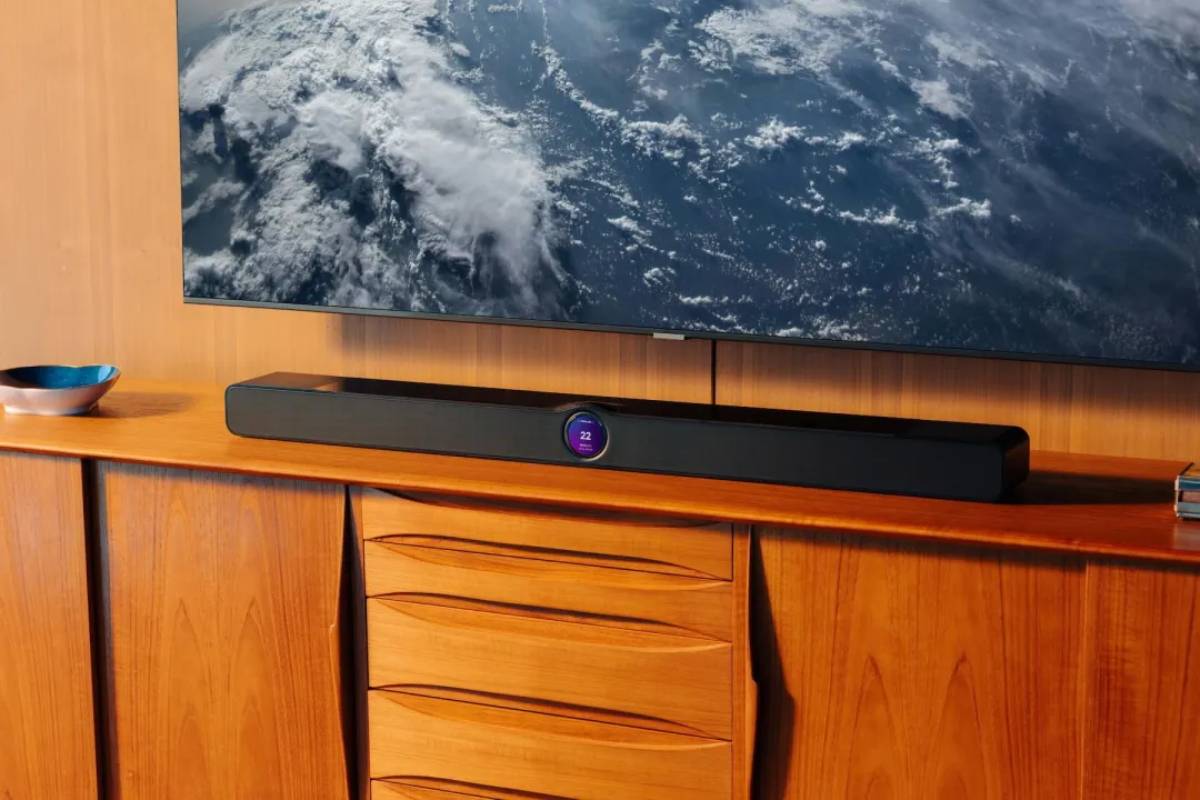
A strategic expansion in the smart audio market has been announced by WiiM with the launch of its first soundbar, extending its whole-home audio ecosystem. The move signals intensifying competition in connected home entertainment, as companies seek to integrate streaming, multi-room audio, and AI-driven control into unified consumer ecosystems with global market implications.
WiiM has officially introduced its first soundbar, marking a significant expansion beyond its existing streaming and multi-room audio products. The device is designed to integrate seamlessly into WiiM’s whole-home ecosystem, allowing users to synchronise audio across multiple rooms and devices.
The launch positions WiiM more directly against established consumer audio and home entertainment brands, targeting users seeking integrated smart home audio solutions. The product reflects a broader strategy of ecosystem expansion, where hardware and software are tightly coupled to enhance user retention. The rollout is expected to strengthen WiiM’s presence in the mid-to-premium smart audio segment.
The global smart audio market has evolved rapidly with increasing demand for connected home ecosystems that integrate streaming services, voice control, and multi-room synchronization. Consumers are shifting away from standalone speakers toward unified platforms that offer seamless interoperability across devices.
WiiM has built its reputation on affordable, high-quality streaming devices that compete with more established ecosystem players. The introduction of a soundbar marks a natural progression into home theatre systems, an increasingly competitive segment driven by demand for immersive entertainment experiences.
This move also aligns with broader industry trends where audio companies are transitioning into ecosystem providers rather than standalone hardware manufacturers. Integration, software control layers, and subscription-linked services are becoming key differentiators in a saturated consumer electronics market.
Industry analysts suggest that WiiM’s expansion into soundbars reflects a strategic push to capture a larger share of the connected home entertainment value chain. Experts note that soundbars represent a high-growth category, particularly as consumers upgrade home viewing experiences with streaming-first setups.
Market commentators argue that the success of such devices depends heavily on ecosystem integration rather than hardware specifications alone. While WiiM has not publicly positioned this launch with extensive executive commentary, industry observers expect the company to emphasise affordability and seamless multi-room connectivity as core selling points.
Consumer electronics analysts further highlight that competition in this segment is intensifying, with established brands leveraging proprietary ecosystems. WiiM’s challenge will be to differentiate through open compatibility, pricing strategy, and user experience consistency across devices.
For consumer electronics companies, WiiM’s move highlights the increasing importance of ecosystem-driven product strategies rather than isolated hardware innovation. Companies that fail to integrate services and devices risk losing relevance in the smart home market.
For investors, the expansion signals continued growth potential in connected home audio, particularly in mid-market segments where affordability and interoperability are key demand drivers.
For consumers, the launch may increase access to more cost-effective smart home theatre solutions, intensifying competition and potentially driving down prices. From a policy perspective, regulatory implications remain limited, though broader concerns around data usage and interoperability standards in smart ecosystems continue to evolve globally.
Going forward, WiiM is expected to further expand its ecosystem with additional home entertainment and smart audio products. Key factors to watch include adoption rates of the new soundbar, integration depth with existing devices, and competitive responses from established audio brands. The broader industry trajectory points toward increasingly unified smart home ecosystems, where cross-device compatibility and software experience will determine long-term market positioning.
Source: The Verge
Date: June 4, 2026


